

The flow rate in a gravity system, like Berkey, depends on the condition of the filters and the quality of the source water. Over time, even high-quality filtration systems experience gradual changes in output. Many users notice Berkey filters slowing down after months or years of use.
Understanding how Berkey filter performance over time affects water flow helps you maintain the system properly and recognize when cleaning or replacement may be necessary. Reduced output does not automatically mean a filter has failed, but it often indicates normal wear, mineral buildup, or pore blockage that develops during filtration.
How Gravity Water Filter Flow Rate Works
A Berkey system relies on gravity to push water through microscopic filtration media. As water passes through the filter elements, contaminants are trapped inside the filtration structure while clean water flows into the lower chamber.
Because filtration happens through extremely small pores, the gravity water filter flow rate naturally changes as those pores capture contaminants. This process is part of normal operation, but it gradually affects output as filters age.
Why Berkey Filters Slow Down Over Time
A gradual decline in Berkey filter flow rate is usually a sign that the system is actively filtering contaminants. As water passes through the filters, microscopic pores trap sediment, metals, and other impurities. Over time, this process reduces the number of open pathways available for water to pass through.
This slowdown is a normal part of Berkey filter lifespan and often indicates the filters are doing their job. However, proper maintenance helps restore flow and extend usable life.
Common Causes Of Reduced Berkey Flow
Several factors can cause reduced Berkey flow or a slow gravity water filter. Many of these issues develop gradually as the filters continue removing contaminants from your water:
- Mineral Build-Up: Over time, minerals and other contaminants in the water can accumulate in the filter, obstructing the pores and slowing down the flow.
- Filter Age: As Berkey filters age, natural wear and tear can lead to a reduced flow rate.
- Water Quality Variability: The presence of additional contaminants might require more effort from the filters, limiting water output.
- Pore Blockage: Fine particles can block the pores of a filter, impeding water passage and reducing efficiency.
Signs Of Berkey Filter Clogging
A clogged filter is one of the most common causes of reduced Berkey flow. Recognizing early signs of clogging helps you address maintenance issues before the system slows dramatically.
- Noticeably Slower Filtration: water takes much longer to move from the upper chamber to the lower chamber.
- Surface Buildup On The Filter: visible residue or mineral deposits appear on the filter exterior.
- Uneven Water Levels Between Chambers: water remains in the upper chamber without passing through to the lower chamber, even when the lower chamber is much more empty.
Berkey Filter Priming Issues That Affect Flow
Improper priming can also cause Berkey filter flow rate problems, especially with new filters or recently cleaned elements. Priming removes trapped air from the filtration media, so water can pass through properly.
- Air Pockets Inside The Filter: trapped air blocks water from entering the filtration media.
- Insufficient Water Pressure During Priming: weak pressure prevents full saturation of the filter.
- Incomplete Priming Cycles: filters may require multiple attempts before achieving full flow.
Berkey Water Filter Maintenance That Restores Flow
Proper maintenance is essential to ensure your Berkey filters operate at peak performance. Here are some essential maintenance practices:
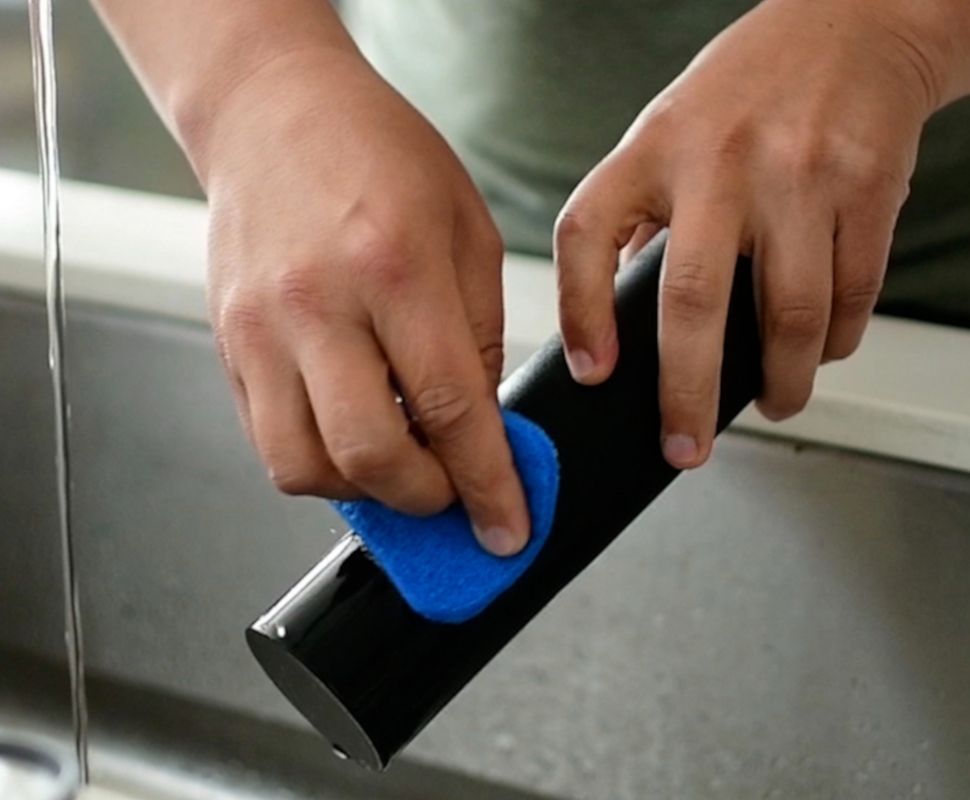
- Regular Cleaning: Frequently clean the outside of the filters to remove any blockage and restore flow rate efficiency.
- Timely Replacement: Monitor the lifespan and replace your Berkey filters as needed to maintain optimal flow.
- Priming The Filters: Ensure proper priming techniques are employed to increase initial flow rate effectiveness.
- Water Quality Monitoring: Regularly check the quality of the source water to better understand what your filters are handling.
When Berkey Filter Replacement May Be Necessary
Eventually, every filter reaches the end of its effective lifespan. Monitoring performance helps you determine the right Berkey filter replacement timing.
- Persistent Slow Flow After Cleaning: reduced output remains even after maintenance.
- Reduced Filtration Efficiency: noticeable decline in water quality or taste.
- Extended Filter Lifespan Reached: filters have processed their expected capacity.
- Frequent Clogging Issues: filters require constant cleaning to maintain flow.
Water Quality And Its Impact On Filter Lifespan
The type of water entering your system strongly affects Berkey filter lifespan. Clean municipal water typically allows filters to operate longer. Untreated well water or surface water may contain more sediment and minerals that accelerate clogging. Heavier contaminant loads naturally reduce Berkey filter performance over time, which can cause slow gravity water filter flow sooner than expected.
Your Path To Water Purity
Understanding how Berkey flow rate changes over time helps you manage your filtration system more effectively. Regular cleaning, proper priming, and monitoring for clogging help restore normal performance and extend filter life. When you maintain your Berkey water filter system properly, you can minimize Berkey water flow issues, reduce pore blockage, and ensure a consistent supply of filtered water for years of use.