

Hard water in high-calcium municipal systems across the USA can affect Berkey system performance, especially when mineral buildup starts creating leaks, worn seals, or slower filtration. These issues are usually manageable when you know what to inspect. It also helps to know which Berkey filter parts may need cleaning, adjustment, or replacement.
Hard Water Can Stress Berkey System Components
The United States Geological Survey explains that water hardness comes largely from dissolved calcium and magnesium, and hard water varies across the United States. In a Berkey system, mineral residue can collect around contact points, seals, threads, and stainless steel surfaces. Over time, that buildup may contribute to Berkey system performance issues, especially if parts are not cleaned or seated correctly.
Berkey System Troubleshooting Should Start Small
Effective Berkey system troubleshooting starts with the simplest parts first. Many leaks or performance issues come from loose parts, residue buildup, or worn seals rather than major system failure.
Clean the connection points, reseat the parts, and check for visible wear. Then test the system with a small amount of water before filling the chamber completely. This approach helps you find the issue without overcorrecting. Start with these checks:
- Clean Seal Areas: Remove calcium buildup before tightening parts.
- Inspect Soft Parts: Look for worn gaskets, washers, or seals.
- Check Hand Tightness: Confirm parts are secure without overtightening.
- Test With Less Water: Watch for leaks before filling the full chamber.
- Replace Damaged Parts: Use replacement parts when cleaning no longer solves the issue.
White Residue Is An Early Warning Sign
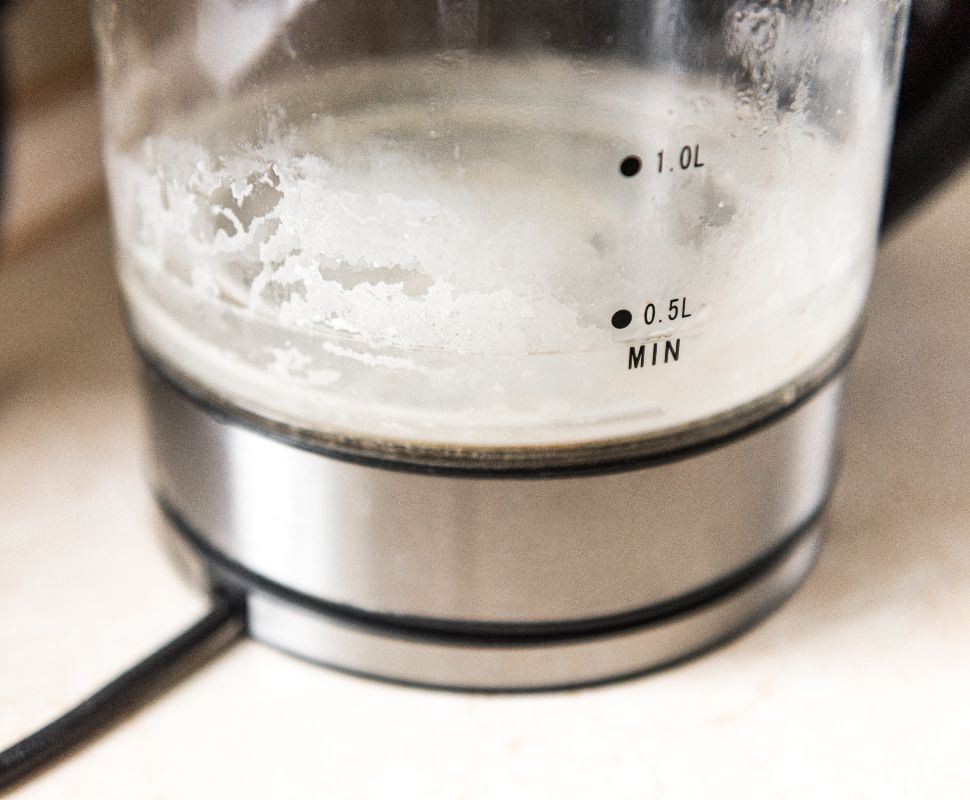
White film around the chambers, spigot, wingnuts, or filter stems often points to calcium buildup. This residue does not always mean a part has failed, but it can interfere with a proper fit.
Hard water residue may make gaskets feel stiff, create uneven pressure around seals, or make components harder to tighten by hand. Addressing buildup early helps prevent Berkey water filter leaks and avoid unnecessary Berkey replacement parts.
Gasket Problems Can Cause Small Leaks
A Berkey gasket failure often starts with a small drip or uneven seal. In hard water areas, calcium buildup can collect around gasket surfaces and prevent full contact between parts. Gaskets should sit flat, clean, and evenly compressed. Common gasket warning signs include:
- Visible Cracking: The gasket surface shows dry, split, or brittle areas.
- Uneven Compression: One side appears tighter or flatter than the other.
- Mineral Buildup: White residue collects around the seal area.
- Persistent Dripping: Water continues leaking after careful adjustment.
Wingnut Problems Can Affect Filter Stability
Berkey wingnut problems can happen when wingnuts loosen, cross-thread, or fail to hold the filter elements securely. Hard water residue around the stem or threads may make tightening feel uneven.
A loose wingnut can affect the filter seal and allow water to move where it should not. Avoid overtightening, since too much force can damage parts or create uneven pressure. Hand-tightening with clean components is usually the best approach for routine Berkey system maintenance.
Spigot Leaks Often Start At The Seal
Berkey spigot leaks often come from a loose fit, a worn washer, or mineral buildup around the spigot opening. Since the spigot sits near the bottom chamber, even a small seal issue can create noticeable dripping.
Clean the area around the spigot before tightening. Check both sides of the chamber wall and confirm the washer is seated evenly. If the spigot still leaks after adjustment, replace the washer or spigot. Troubleshooting should focus on:
- Washer Position: The washer should sit flat against the chamber.
- Thread Condition: Threads should tighten smoothly without forcing.
- Mineral Residue: Calcium buildup should be removed from the seal area.
- Part Wear: Cracked or stiff washers may need replacement.
Filter Seal Issues Can Reduce Performance
Berkey filter seal issues can lead to leaks, uneven flow, or reduced confidence in system performance. The seal around each filter element needs a clean contact between the washer, stem, chamber, and wingnut.
Hard water residue may create small gaps at these connection points. During maintenance, remove mineral buildup and inspect each seal area before reinstalling the elements. This helps reduce Berkey filtration efficiency loss caused by poor seating or component wear.
Housing Alignment Issues Can Create Uneven Pressure
Berkey housing alignment issues happen when chambers do not sit evenly, or components are not centered during setup. Hard water residue on rims, seams, or contact points can make this worse.
If the upper and lower chambers feel unstable, inspect the surfaces where they meet. A slight misalignment can place uneven pressure on seals, spigots, and filter stems. Keeping the housing clean and properly seated supports better long-term reliability.
Gravity Filter Component Wear Builds Over Time
Gravity filter component wear usually develops gradually. Hard water can speed up the process by leaving residue on soft parts, threads, and contact surfaces. Some wear is normal with regular use. The key is to inspect small parts before they fail. Components are easier to replace than troubleshoot during an emergency or heavy-use period.
Keep Your Berkey System Ready For Hard Water Conditions
High-calcium municipal water can create Berkey system performance issues when mineral buildup affects internal components. With consistent cleaning and timely replacement of worn parts, you can reduce leaks and keep your system working reliably.
USA Berkey Filters helps customers across the USA find Berkey systems, Berkey replacement parts, and maintenance accessories for daily use, emergency preparedness, and outdoor water needs. Explore our replacement components to keep your system ready before hard water wear turns into a bigger problem.